
Buying your first Rolex can feel like a big step. There’s a lot of information out there, a lot of opinions, and it’s not always clear where to start.
The reality is, it doesn’t need to be complicated. Once you understand a few key things including what you like, where to buy, and how the market works, it becomes a much more straightforward decision.
This guide is designed to give you exactly that. No jargon, no overthinking, just the basics you actually need to know.
Before you start looking at specific models, it’s worth thinking about how you’ll actually wear the watch.
Is this something you’ll wear every day, or just on weekends or special occasions? Will you wear it mostly with a suit, or more casually? Are you more of a casual / sporty dresser or a more stylish formal dresser?
Rolex has a range of options, but most people end up somewhere within a few key models:
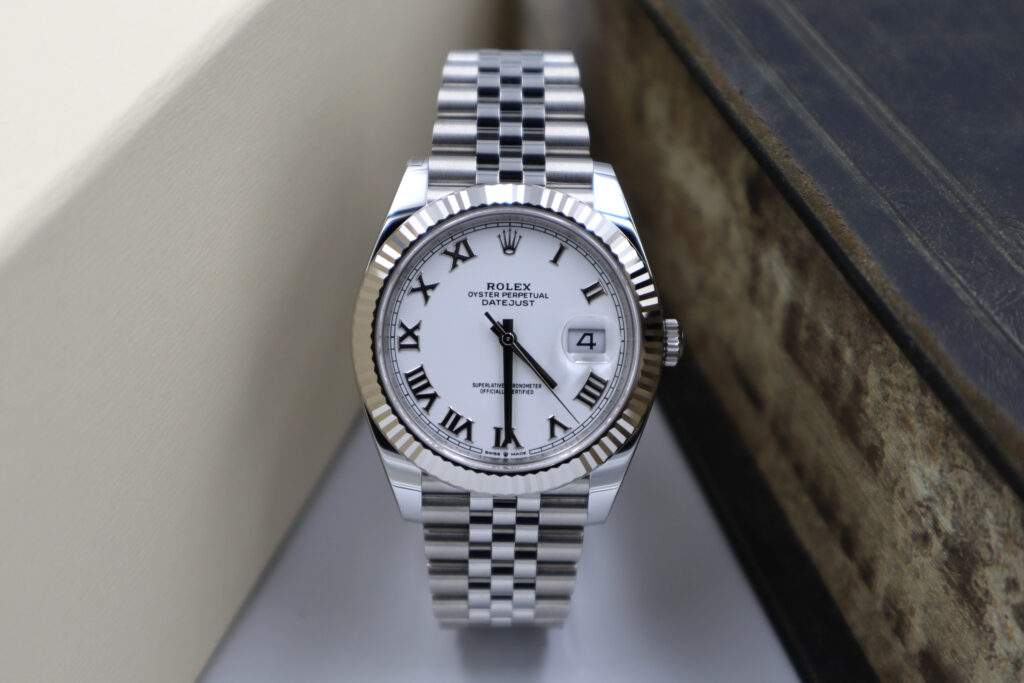
You don’t need to overanalyse it. Usually, one of these Rolex watches will just feel right.
This is where things can get a bit confusing, but it’s also where you get the most flexibility.
Buying new from a Rolex authorised dealer sounds like the obvious route, but availability is generally severely limited, especially for popular models. You may end up waiting for years to get one, if at all.
The pre-owned market via trusted independent dealers is where many people actually buy their Rolex. It gives you immediate access to a much wider range of watches, including models that aren’t currently available new due to discontinuation.
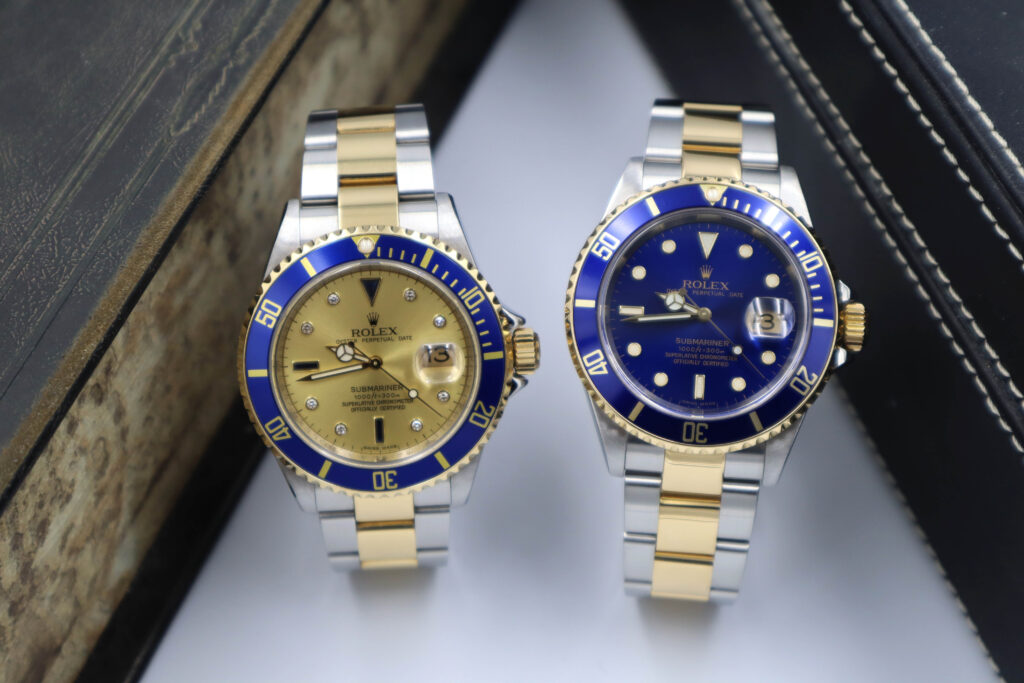
It can also be more affordable. Older references often represent very good value, especially if you’re open to some signs of wear.
For many buyers, pre-owned is simply the more practical option.
On the other hand, going to a trusted independent dealer for a current model unworn watch let’s you bypass the years of waiting a Rolex authorised dealer would put you through.
Rolex watches cover a fairly wide price range, depending on the model, age, and condition.
At the more accessible end, something like an Oyster Perpetual or older Datejust can be a strong affordable starting point.
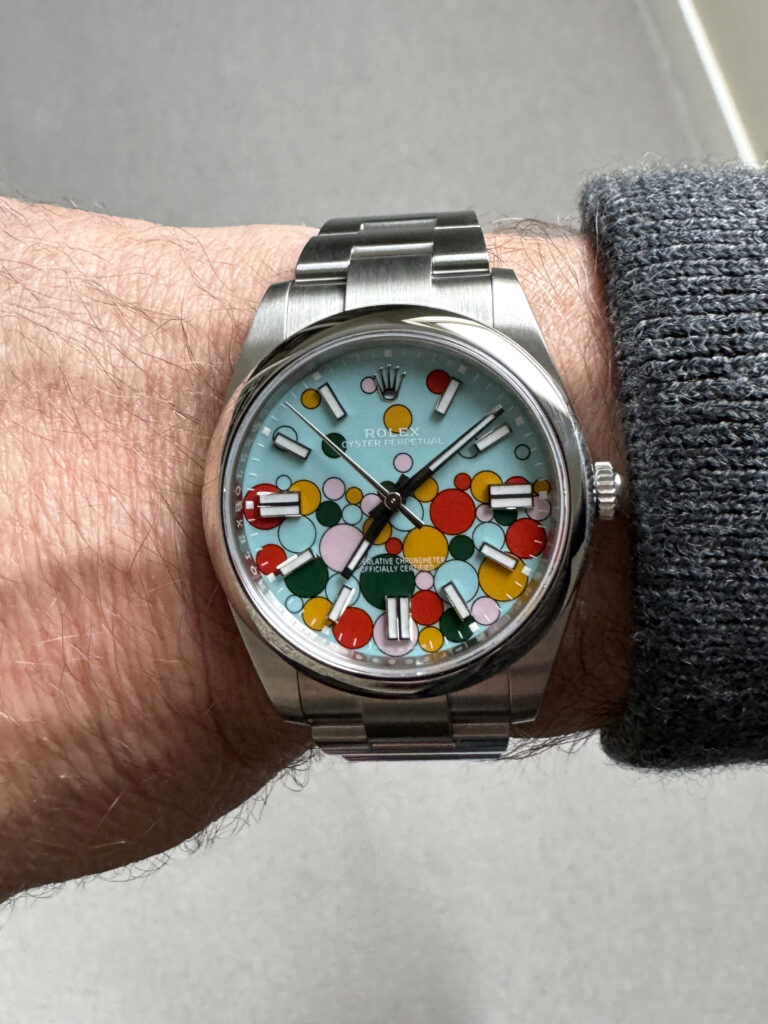
Move into sports models like the Submariner or GMT-Master II, and prices tend to increase. The Daytona often sits at the higher end due to demand.
It’s worth having a clear idea of what you’re comfortable spending before you start. That helps narrow things down quickly and avoids getting distracted by options that aren’t realistic.
This is probably the most important part of the process.
Whether you’re buying new or pre-owned, you need to know exactly what you’re getting. That means a genuine watch, properly described, and backed by someone who knows what they’re doing.
A good dealer will be open, transparent, and happy to answer questions. They’ll guide you if you’re unsure and never push you into something. If they ever try to close the deal on you, be suspicious. If they seem uninterested in your many questions, be suspicious.
This isn’t something you want to rush. Take your time and make sure you’re comfortable with where you’re buying from. Selecting the right watch dealer is every bit as important as selecting the right watch.
You’ll often hear people talk about full sets, original boxes, and paperwork.
These things do matter, particularly from a resale point of view, but they’re not everything.
Condition is just as important. A clean, well-looked-after watch without papers can often be a better buy than a poor example with them.
It comes back to balance. Ideally, you want both, but if you have to prioritise the watch itself should always come first.
It’s easy to get caught up comparing references, years, and all the small details that come with watches.
But at the end of the day, you’re buying a watch to wear.
If you find something you like, at a price you’re comfortable with, from someone you trust, that’s usually enough.
The rest tends to fall into place.
At The Watch Room, we speak to people at all stages of this process. Some know exactly what they want whilst others are just starting to explore the idea and would benefit from some expert guidance.
We work across both new and pre-owned Rolex watches, which means we can offer more flexibility depending on what you’re looking for.
If you’re unsure, we’re always happy to talk things through. No pressure at all - just a straightforward conversation to help you make the right choice.
Buying a Rolex should be an enjoyable experience, not a complicated one.
Once you understand the basics, the models, the market, and where to buy, it becomes much easier to make a decision with confidence.
There’s no single “correct” way to do it or watch to buy. Just find the watch that fits your style, your budget, and how you plan to wear it.
That’s usually the right place to start.
Yes, for many people it’s the ideal starting point. It’s reliable, easy to wear, and generally holds its value well when compared to most other brands.
It depends on availability and budget. Pre-owned often offers more choice and immediate access to popular models and can save you money versus buying a new watch.
The Rolex Oyster Perpetual and older Rolex Datejust models are usually the most accessible entry points.
The safest approach is to buy from a trusted dealer who can verify the watch and stand behind it. And you should consider longevity too. Has your chosen watch dealer been trading for years, with excellent reviews? Will they still be around in years to come should you need them?

